

All blog posts
Explore the world of design and learn how to create visually stunning artwork.
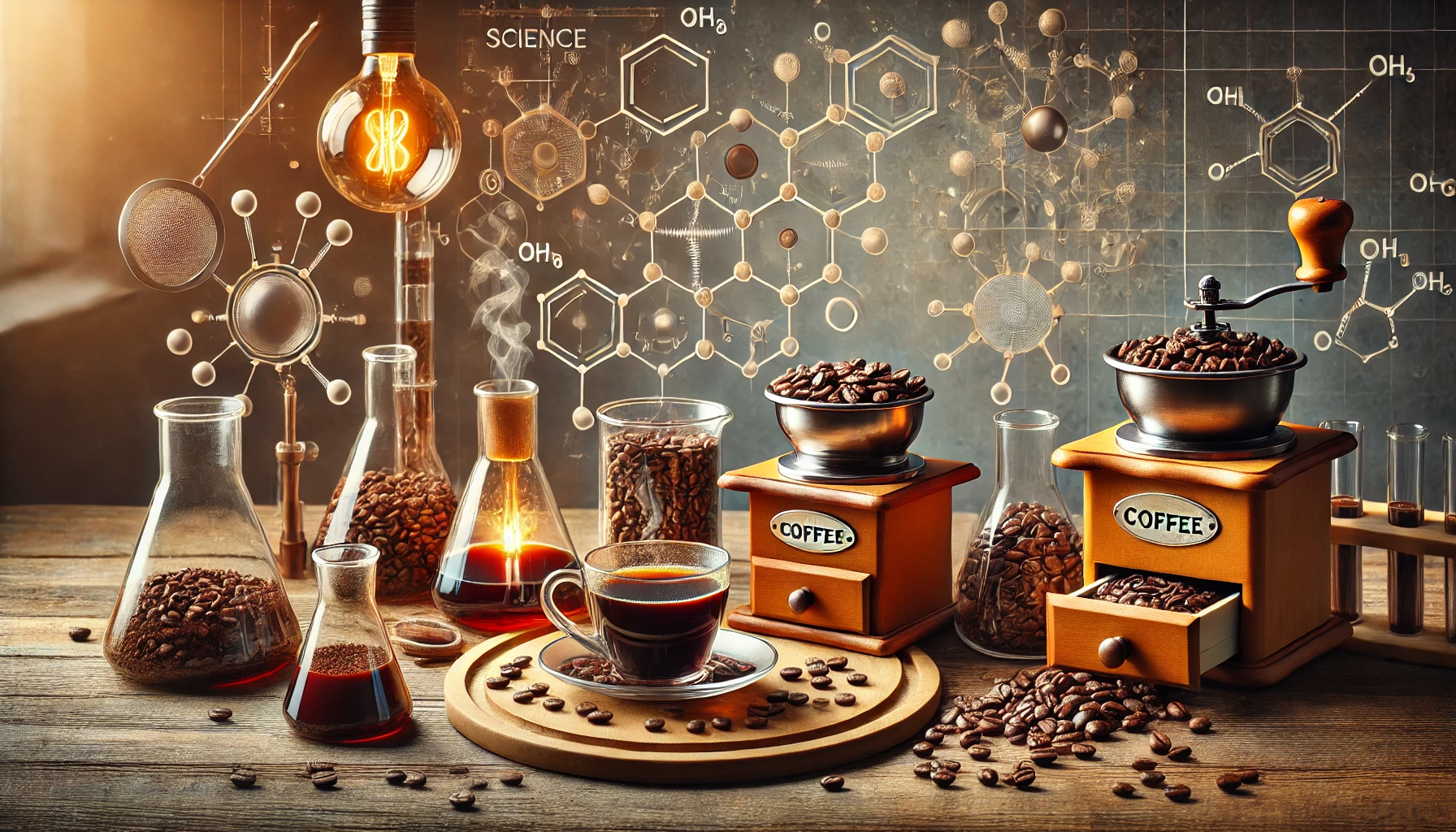
The Chemistry of Coffee: What Gives It Its Unique Flavor?
janeiro 3, 2025 | by Jhonatan Torres
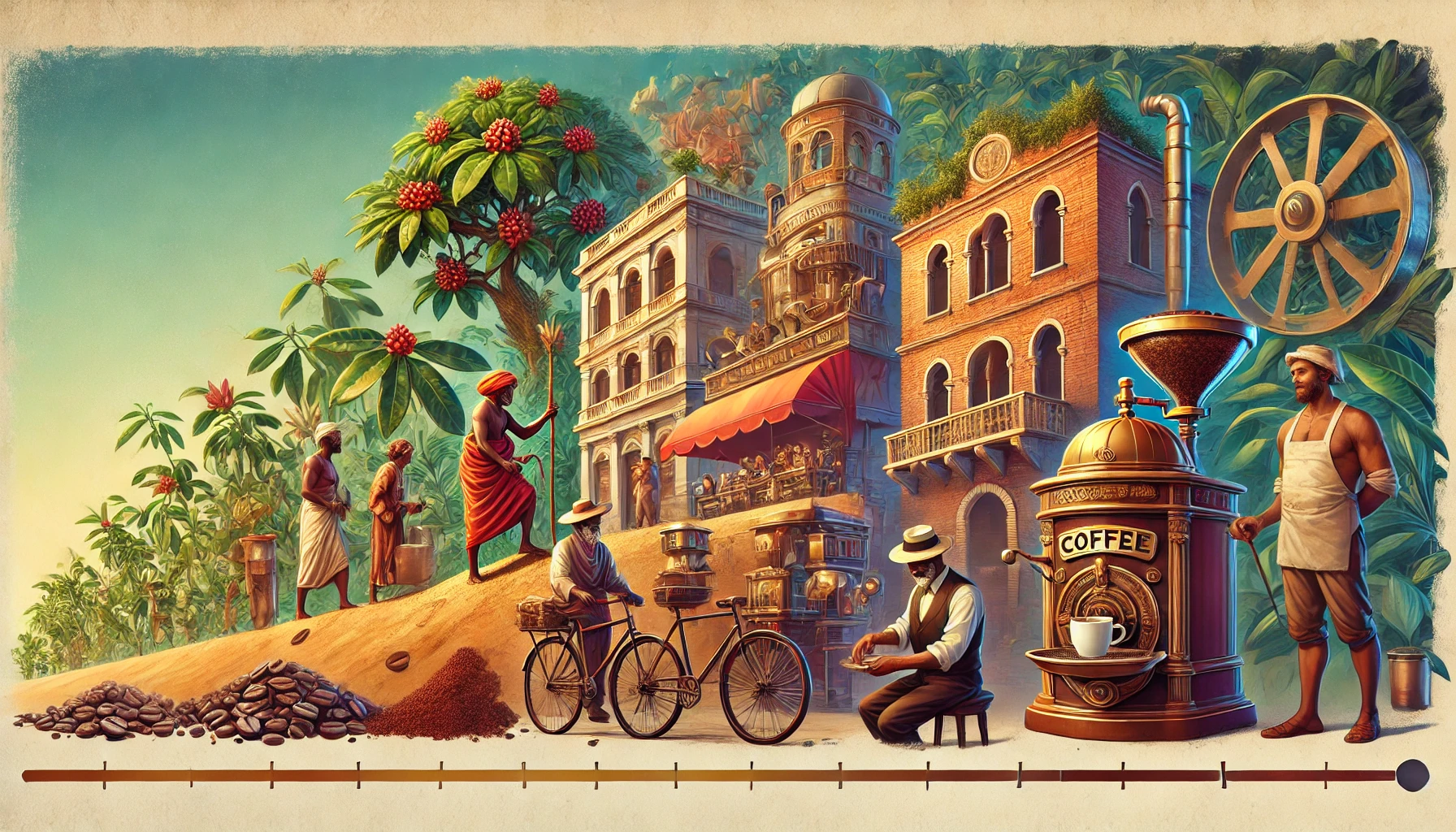
The Evolution of Coffee: From Bean to Modern Brew
janeiro 3, 2025 | by Jhonatan Torres
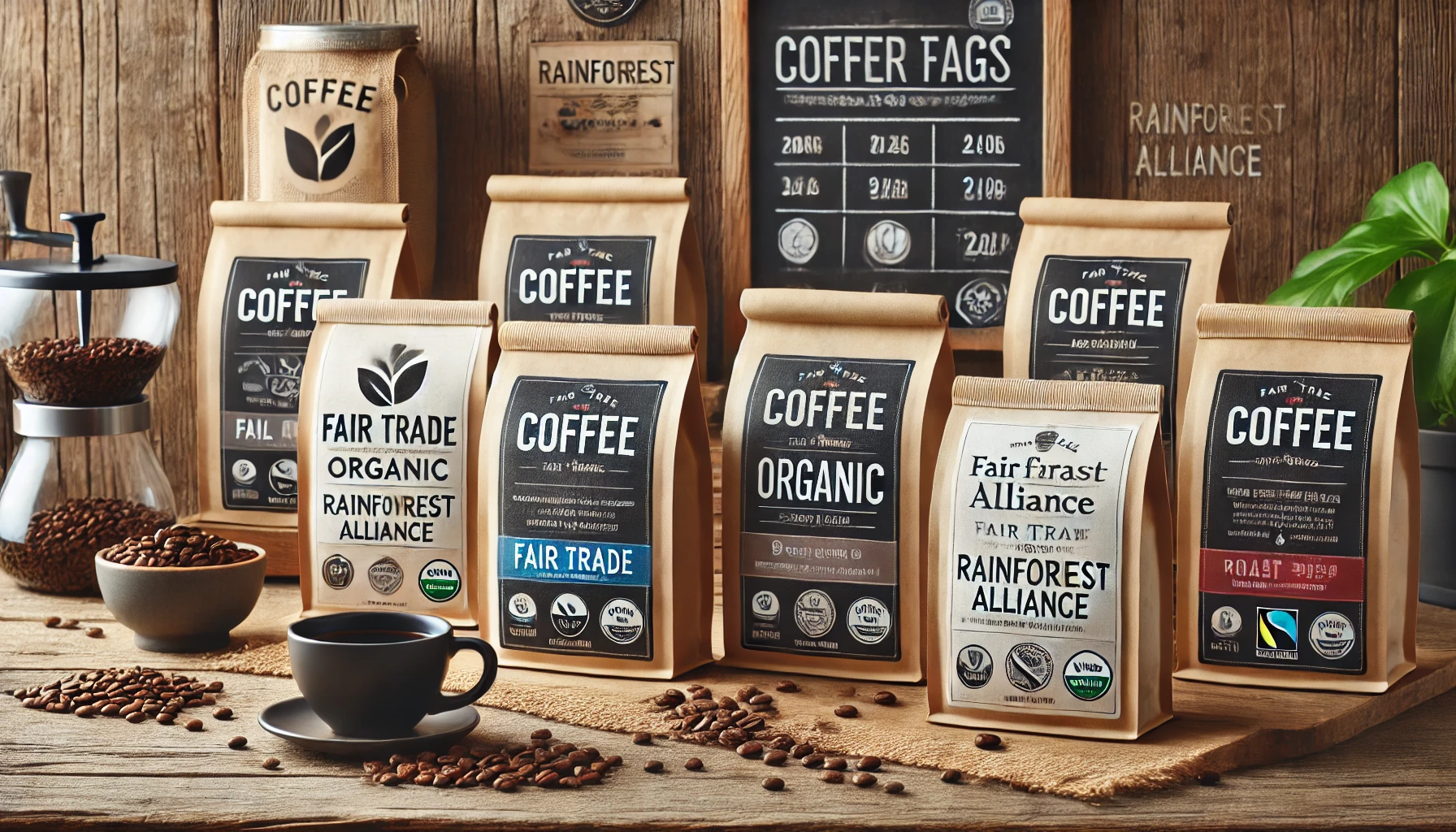
Decoding Coffee Labels: What Do They Really Mean?
janeiro 3, 2025 | by Jhonatan Torres

Coffee and Creativity: How Caffeine Fuels Innovation
janeiro 3, 2025 | by Jhonatan Torres


Sustainable Coffee: How to Enjoy Coffee While Supporting the Planet
janeiro 3, 2025 | by Jhonatan Torres

The Art of Latte: How to Create Stunning Latte Art at Home
janeiro 3, 2025 | by Jhonatan Torres

The Cultural Significance of Coffee Around the World
janeiro 3, 2025 | by Jhonatan Torres


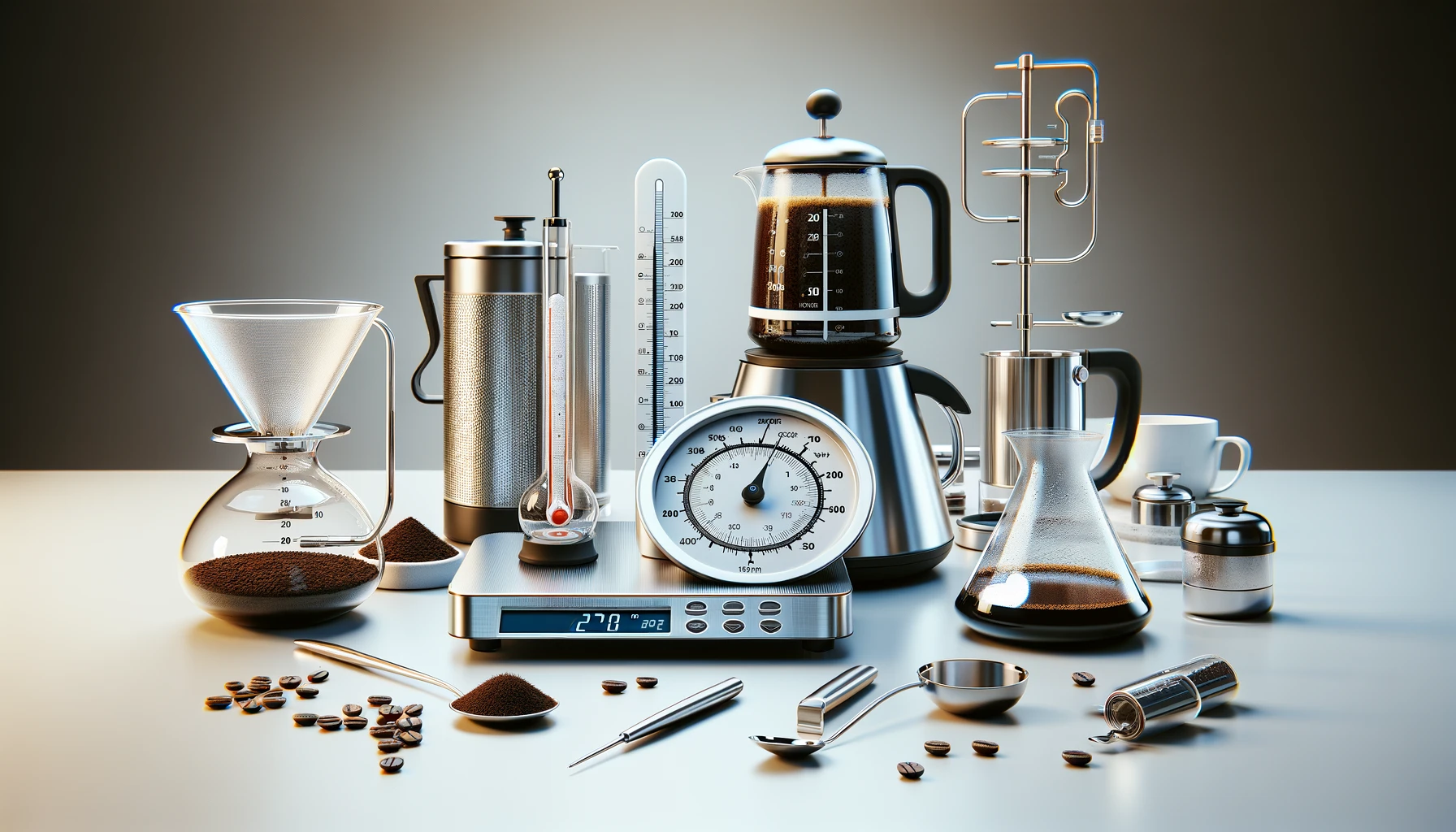

Coffee’s captivating aroma and flavor are the result of a complex interplay of chemistry. Understanding what happens during roasting and brewing can help you appreciate—and even enhance—your daily cup.
The Role of Compounds in Coffee
- Caffeine:
- Provides the bitterness and stimulating effect.
- Acts as a natural defense mechanism for the coffee plant.
- Chlorogenic Acids:
- Responsible for coffee’s acidity and antioxidant properties.
- Decrease during roasting, altering the coffee’s flavor profile.
- Lipids and Oils:
- Contribute to the mouthfeel and body of the coffee.
- Extracted more in espresso and French press methods.
- Sugars:
- Naturally present in coffee beans and caramelize during roasting.
- Add sweetness and complexity to the flavor.
The Science of Roasting
Roasting transforms raw coffee beans into the aromatic, flavorful beans we brew. Key chemical reactions include:
- Maillard Reaction:
- Proteins and sugars in the bean react to produce complex flavors.
- Responsible for nutty, toasty, and caramelized notes.
- Caramelization:
- Sugars break down into simpler molecules, contributing to sweetness.
- Pyrolysis:
- At higher temperatures, oils are released, and darker roasts develop smoky flavors.
Brewing and Flavor Extraction
- Temperature: Water between 195°F and 205°F (90°C to 96°C) ensures optimal extraction.
- Time: Longer brewing extracts deeper flavors, but too much time can lead to bitterness.
- Grind Size: Affects the surface area exposed to water, influencing the balance of flavors.
Common Flavor Profiles
- Fruity: Result of higher acidity, common in African coffees.
- Nutty: Associated with medium roasts, balancing sweetness and bitterness.
- Chocolaty: Found in beans from regions like Brazil, enhanced by caramelization.
How to Enhance Your Coffee’s Flavor
- Grind Fresh: Use a burr grinder for consistent particle size.
- Experiment with Water: Filtered water improves taste and prevents unwanted flavors.
- Adjust Ratios: Tailor the coffee-to-water ratio to your preference.
- Store Properly: Keep beans in an airtight container away from light and heat.
Final Thoughts
Coffee is a symphony of chemical reactions that create its signature aroma and taste. By understanding its chemistry, you can unlock new dimensions of flavor and make your coffee experience even more enjoyable.