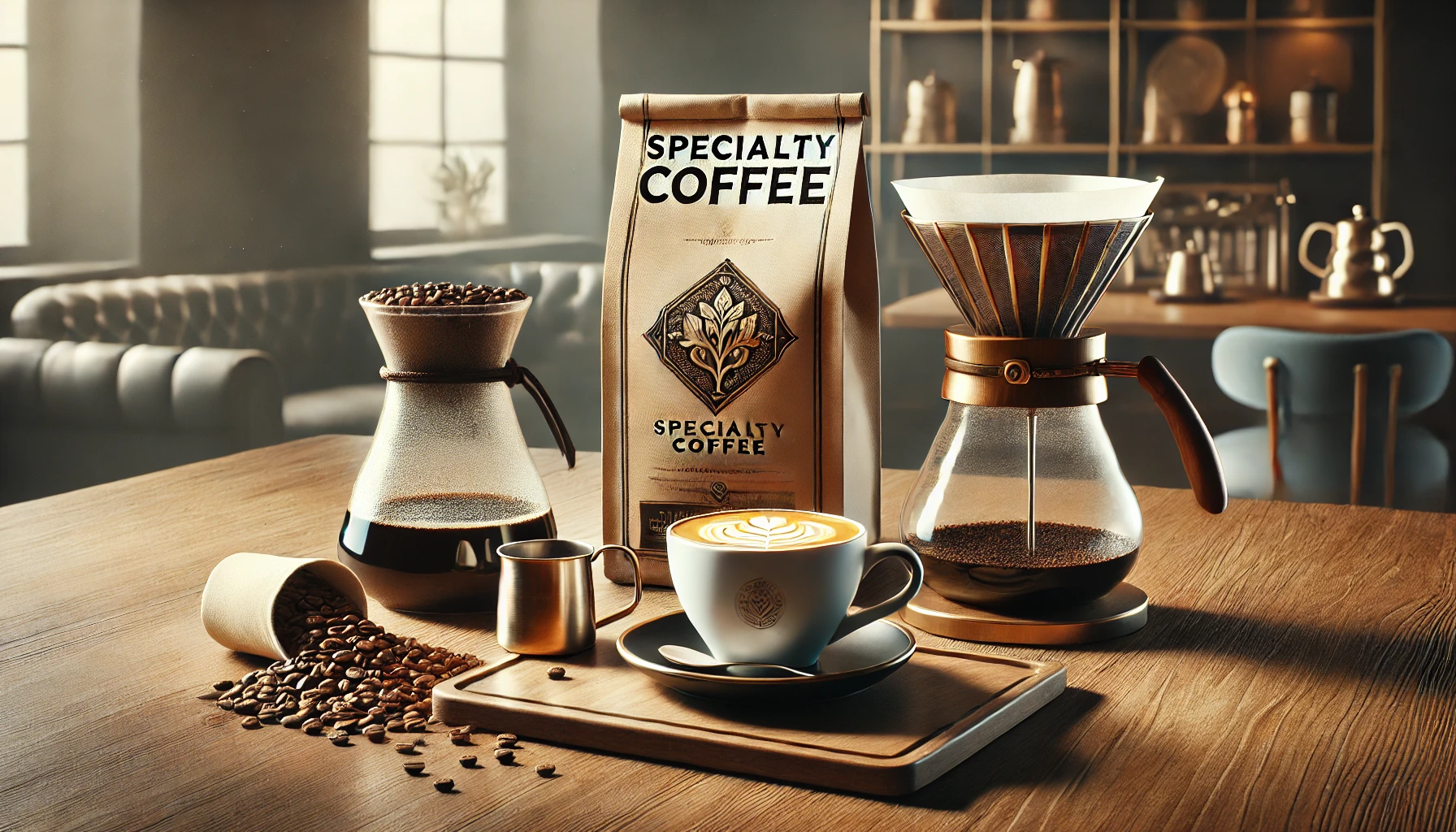
Coffee is much more than a simple morning pick-me-up—especially when it comes to specialty coffee. With its emphasis on quality, flavor, and sustainability, specialty coffee offers an elevated experience for coffee lovers. But what exactly makes a coffee “specialty,” and why should you give it a try? Let’s dive in.
1. What Is Specialty Coffee?
Specialty coffee refers to coffee that scores 80 points or above on a 100-point scale by the Specialty Coffee Association (SCA). This high-quality coffee is distinguished by:
- Exceptional Flavor: Unique and complex taste profiles.
- Ethical Practices: Grown in small batches with sustainable farming methods.
- Careful Processing: Harvested and processed with meticulous attention to detail.
Specialty coffee often highlights its single-origin nature, meaning the beans come from a specific region or farm.
2. How Is Specialty Coffee Different from Regular Coffee?
- Bean Quality: Specialty coffee uses only Arabica beans, which are known for their superior flavor, while regular coffee often includes Robusta beans.
- Roasting: Specialty coffee is roasted in small batches to preserve the bean’s natural flavors. Regular coffee is mass-produced and often over-roasted.
- Transparency: Specialty coffee brands typically provide detailed information about the origin, farm, and processing methods of their beans.
3. Why Should You Try Specialty Coffee?
- Taste the Difference:
Specialty coffee offers a rich and diverse flavor palette, including notes of fruit, chocolate, nuts, and even floral tones. Unlike regular coffee, every sip is a sensory experience. - Support Sustainable Practices:
By purchasing specialty coffee, you’re supporting farmers who use eco-friendly practices, fair trade initiatives, and ethical sourcing. - Learn About Coffee Origins:
Specialty coffee highlights the unique terroir of each region, allowing you to explore the flavors of Ethiopian Yirgacheffe, Colombian Supremo, or Brazilian Cerrado. - Perfect for Coffee Enthusiasts:
If you love experimenting with brewing methods like pour-over or Aeropress, specialty coffee provides the ideal beans for your craft.
4. Common Types of Specialty Coffee
Here are some popular examples of specialty coffee:
- Single-Origin Coffee: Beans from a specific region, farm, or cooperative, showcasing unique characteristics.
- Microlot Coffee: Extremely limited batches from a single farm or plot of land, offering rare and exclusive flavors.
- Organic Coffee: Grown without synthetic pesticides or fertilizers.
- Direct Trade Coffee: Beans sourced directly from farmers, ensuring better compensation and transparency.
5. How to Identify Specialty Coffee
When shopping for specialty coffee, look for:
- Score Certification: Beans rated by the SCA or a similar organization.
- Flavor Notes: Detailed descriptions of the flavor profile.
- Origin Information: The farm or region where the beans were grown.
- Fresh Roast Date: Specialty coffee is often roasted to order.
6. How to Brew Specialty Coffee
To fully enjoy the complexity of specialty coffee, use a brewing method that highlights its flavors, such as:
- Pour-Over: Clean and precise, perfect for delicate notes.
- French Press: Ideal for a full-bodied cup.
- Espresso Machine: Showcases bold flavors and crema.
Conclusion: Elevate Your Coffee Experience
Specialty coffee isn’t just about drinking coffee—it’s about appreciating the art, science, and sustainability behind every cup. Whether you’re a casual coffee drinker or a true enthusiast, specialty coffee is worth trying for its exceptional quality and unforgettable taste. Step up your coffee game and savor the difference today!
Deixe um comentário